

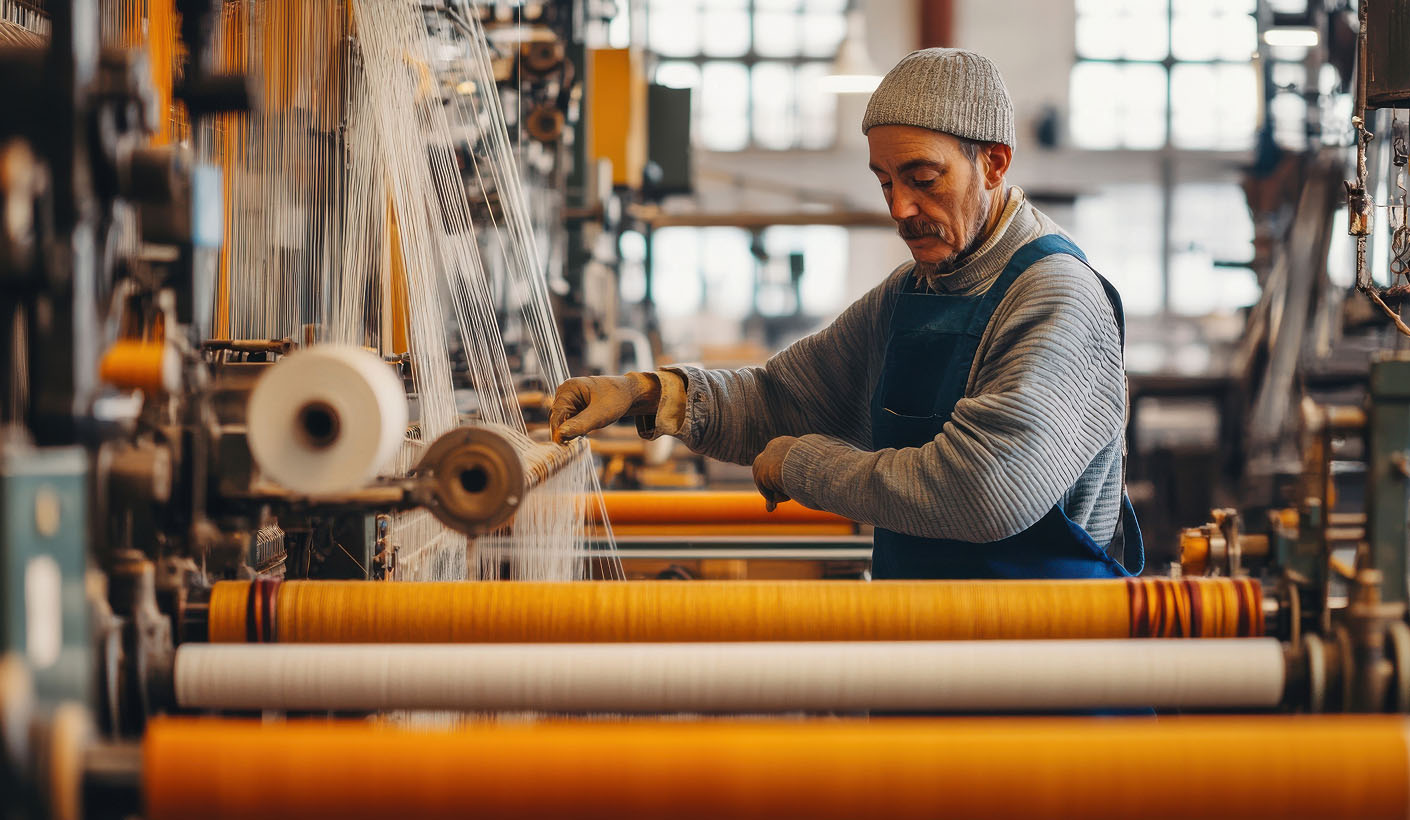


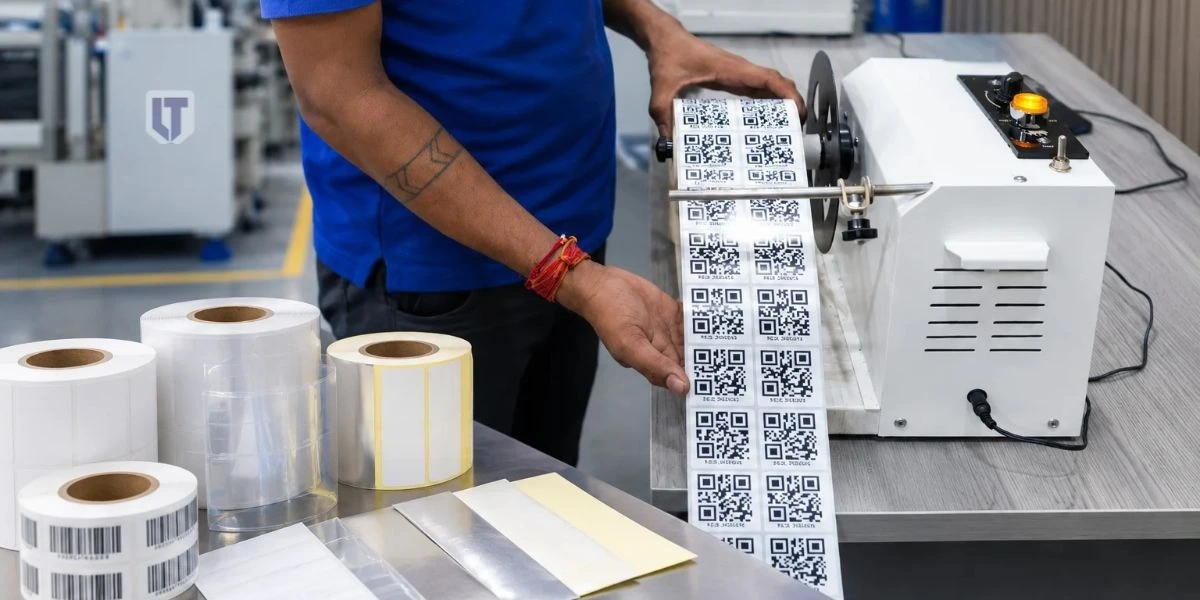
High-speed packaging lines handle hundreds or thousands of products in a short time. Labels must keep up with this speed without peeling, smudging, or causing delays.
The right label material helps businesses maintain clear product information and keep packaging operations running smoothly.
However, not every material works well on every packaging line. The best choice depends on the product surface, application speed, storage conditions, and printing method.
Businesses also need to consider adhesive strength and barcode readability, following relevant barcode standards where applicable.
Understanding these factors helps you choose a label that performs well during production, storage, and shipping.
Why Label Material Matters in High-Speed Packaging
Packaging machines apply labels quickly and often work for long hours. A label that feeds poorly, curls, or fails to stick can interrupt the process. These issues may lead to wasted labels, product rework, and production delays.
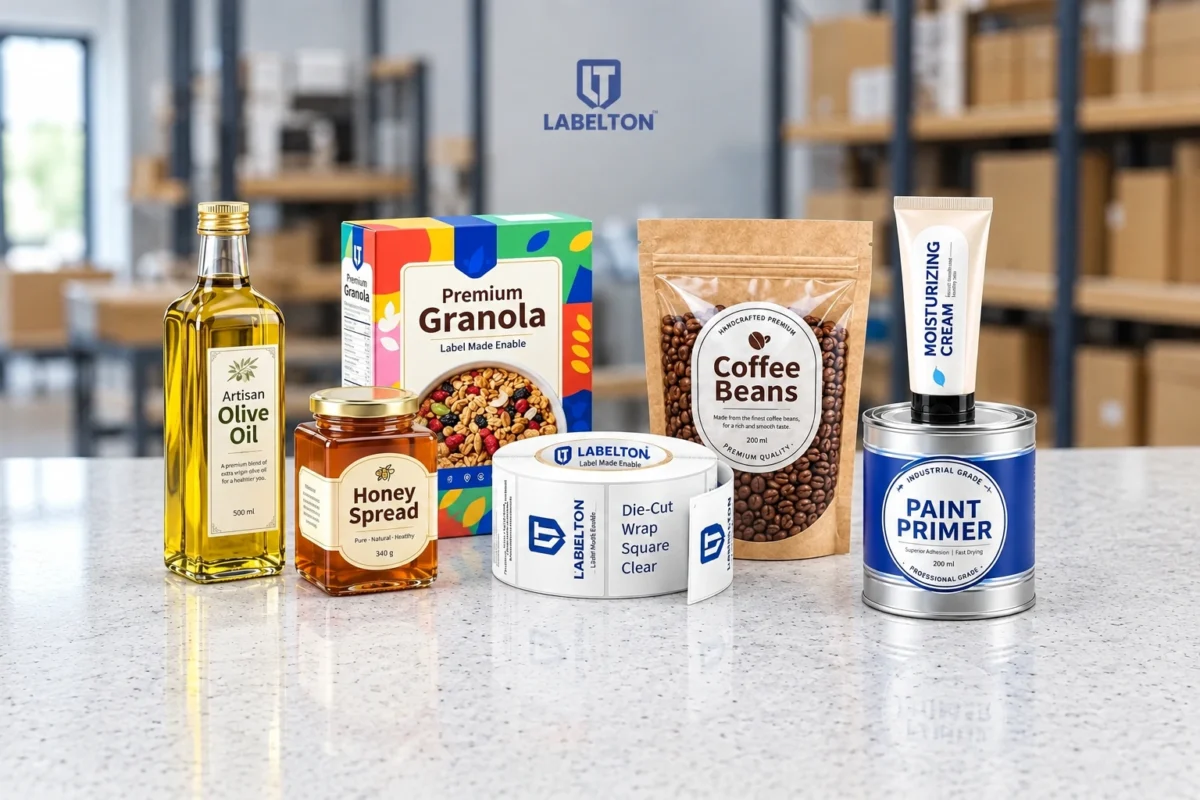
The right Label Material supports consistent application and keeps printed information readable. It also needs to match the packaging surface, whether the product uses cardboard, plastic, glass, or metal.
Before selecting a material, consider three important factors.
- Application speed – The label must feed through the machine and apply correctly at the required production speed.
- Surface compatibility – The adhesive must bond well with the packaging material.
- Environmental conditions – The label must withstand the expected heat, moisture, friction, and storage conditions.
When these factors work together, businesses can reduce labeling problems and maintain consistent packaging quality.
Paper Labels for Everyday Packaging
Paper labels suit many general packaging applications. They offer a practical option for products that do not face heavy moisture, heat, or chemical exposure.
Businesses commonly use paper labels on cartons, boxes, jars, and retail packaging. They also work well for shipping information and product identification.
Paper labels provide a smooth surface for printing text, product details, and barcodes. They can be suitable for high-speed packaging when the label stock, adhesive, and dispensing system match the production requirements.
However, standard paper labels can tear or lose their appearance when exposed to moisture or rough handling. They may not suit products that need long-term durability in demanding conditions.
Choose paper when cost, print clarity, and routine packaging performance are the main priorities.
Film Labels for Speed and Durability
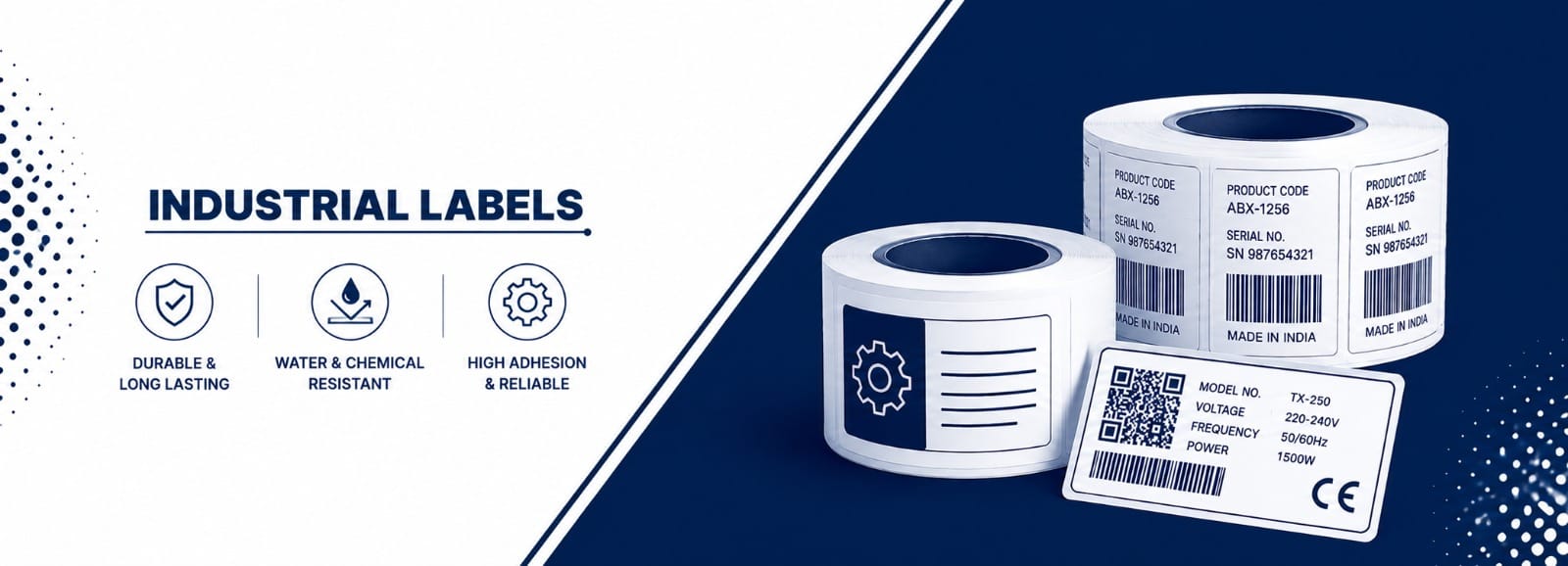
Film labels offer greater resistance to tearing and moisture than many standard paper options. Common materials include polypropylene (PP) and polyester (PET). Each has different performance characteristics.
Polypropylene labels work well on many consumer product containers. They offer flexibility and moisture resistance, making them useful for bottles, personal care products, and other packaged goods.
Polyester labels provide greater durability in demanding applications. They can suit products that need resistance to abrasion, temperature changes, or certain chemicals, depending on the material construction and adhesive.
The best Label Material depends on how the product moves through the packaging line and where it goes after labeling. A flexible film may suit curved containers, while a more durable film may suit industrial products that face rough handling.
Before choosing a film label, check its thickness, flexibility, adhesive compatibility, and printing requirements. These details affect how consistently the label feeds and bonds to the surface.
Thermal Labels for Shipping and Barcode Printing
Thermal labels are common in logistics, warehousing, retail, and e-commerce. They support variable information such as shipping addresses, tracking numbers, product codes, and barcodes.
Direct thermal labels use heat-sensitive material to create an image without a ribbon. They work well for many shipping labels and short-term identification needs. However, heat, sunlight, and friction can affect image durability.
Thermal transfer labels use a ribbon to transfer the printed image onto the label surface. This method can provide longer-lasting print performance when the correct ribbon and label combination is selected.
Businesses handling e-commerce shipping labels in India need to consider printer compatibility, barcode readability, and the expected shipping conditions. Labels should remain clear throughout sorting, transportation, and delivery.
Thermal labels can support fast operations, but the correct material and printing method depend on how long the information needs to remain readable.
How Adhesive Affects High-Speed Label Application
The label material is only one part of the selection process. The adhesive also plays a major role in application quality.
A label may move through a machine correctly but fail to bond to the product surface. This can happen when the surface contains dust, moisture, or oil. Some plastic surfaces also need adhesives designed for their specific properties.
Pressure-sensitive labels use an adhesive that bonds when pressure is applied. They are useful for many automated packaging applications. However, the adhesive must match the surface and application conditions.
Consider these points before choosing an adhesive.
- Initial tack – The label needs to grip the surface during application.
- Final adhesion – The bond must remain strong during storage and transportation.
- Application temperature – The adhesive must work at the temperature present during labeling.
- Surface type – Cardboard, glass, and different plastics may require different adhesive formulations.
Testing the complete label on the actual packaging line helps identify adhesion problems before full-scale production.
Choosing Labels for Different Packaging Conditions
Packaging requirements vary by industry. A label that works for a dry carton may not perform well on a container exposed to moisture or heat.
For example, temperature-resistant labels in India may suit products that experience high temperatures during processing, storage, or transportation. The required temperature range depends on the application. Businesses should check the material and adhesive specifications before making a selection.
For logistics and warehousing, labels need clear printing and reliable adhesion. For products stored outdoors or exposed to chemicals, businesses may need more durable film materials and specialised adhesives.
The choice also depends on the packaging surface. Rough cardboard, flexible plastic, and curved containers each present different challenges.
Matching the label construction to the actual operating conditions helps prevent peeling, print damage, and unreadable product information.
What to Check Before Selecting a Label Material
Before placing a bulk order, review the complete labeling process. A small material mismatch can affect an entire production run.
Use the following checklist to compare suitable options.
- Packaging surface – Identify whether the label goes on paper, cardboard, glass, metal, or plastic.
- Machine compatibility – Confirm that the label size, thickness, roll format, and dispensing direction suit the labeling equipment.
- Printing method – Match the label surface with direct thermal, thermal transfer, or the required printing process.
- Barcode quality – Check that the printer produces sharp, readable barcodes at the required production speed.
- Environmental exposure – Review the expected moisture, temperature, sunlight, friction, and chemical contact.
- Adhesive performance – Test whether the label sticks properly and stays in place.
- Production testing – Run samples through the actual packaging line before approving a large order.
Businesses sourcing barcode labels should also check barcode scanning performance under normal operating conditions. Clear printing helps scanners read product information quickly and reduces errors during packing, sorting, and dispatch.
Why Testing Matters Before Bulk Production
Specifications help narrow down the options, but practical testing confirms whether a label works for a particular application.
Start by running sample labels at the normal production speed. Check for wrinkles, curling, poor positioning, and missed applications. Inspect the printed information and test whether scanners read the barcodes consistently.
Next, review adhesion after application. Check the labels after the products pass through normal handling, storage, and transportation conditions.
If the packaging line uses heat or moisture, test the labels under those conditions as well. Record any problems and adjust the material, adhesive, or printing settings before increasing production.
This approach helps businesses select a label based on actual performance rather than price or material type alone.
Find the Right Label Material for Your Packaging Line
The best label material supports fast application, clear printing, and reliable adhesion. Paper labels suit many everyday packaging needs, while film labels offer added durability. Thermal labels work well for shipping and barcode applications when businesses choose the right printing method.
There is no single material that works best for every packaging line. The right choice depends on production speed, packaging surface, environmental conditions, and the information the label needs to display.
The Labelton helps businesses explore industrial labeling requirements with solutions suited to their packaging and identification needs. Share your packaging surface, labeling machine specifications, printing method, and operating conditions to discuss suitable options. Request product details or sample labels before placing a bulk order so you can evaluate performance on your production line.