



A QR code label looks simple on the outside. The work behind it is not.
Each label must carry the right code, stay readable, and meet the required size and print quality. This becomes more important when thousands of labels are produced for a large project.
GS1 identification standards help businesses maintain consistent product identification across supply chains. A small error in a sequential label batch can affect the entire process.
Selecting the Right Label Material
The process starts with PP material. It acts as the base material for the blank die-cut label.
The material must match the customer’s application. The team checks the required specifications before production starts. This helps maintain the required strength, finish, size, and print performance.
Material selection depends on the label’s application. Some labels need to handle heat, moisture, or frequent handling. In such cases, temperature resistant labels in India can provide better durability and performance.
Die Cutting Creates the Final Blank Label
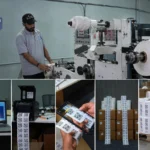
Once the PP material passes the initial requirements, it moves to the die-cutting section.
The material is converted into the required label shape and size. German-made dies are used for accurate cutting. The team also works with micron-level measurements.
This stage controls the edges, dimensions, spacing, and overall finish of the blank label. Consistency matters because the next printing stage depends on accurate label positioning.
The finished jumbo roll now contains the blank labels that are ready for QR code printing.
But the blank roll does not move directly to printing.
It first goes through testing.
Testing the Blank Material Before Printing
The blank label material goes through an internal testing process before QR code printing begins.
The QC team checks the material against the customer’s specified requirements. This step confirms that the material meets the agreed quality standards.
Testing at this stage helps prevent problems later. If the base material has an issue, printing thousands of labels on it can lead to material loss and production delays.
For Sequential QR Code Labels, this check is especially important. Every later stage depends on the quality and consistency of the blank label.
Only approved material moves forward.
Preparing the Roll for QR Code Printing
After the QC team approves the blank material, the roll moves to the printing section.
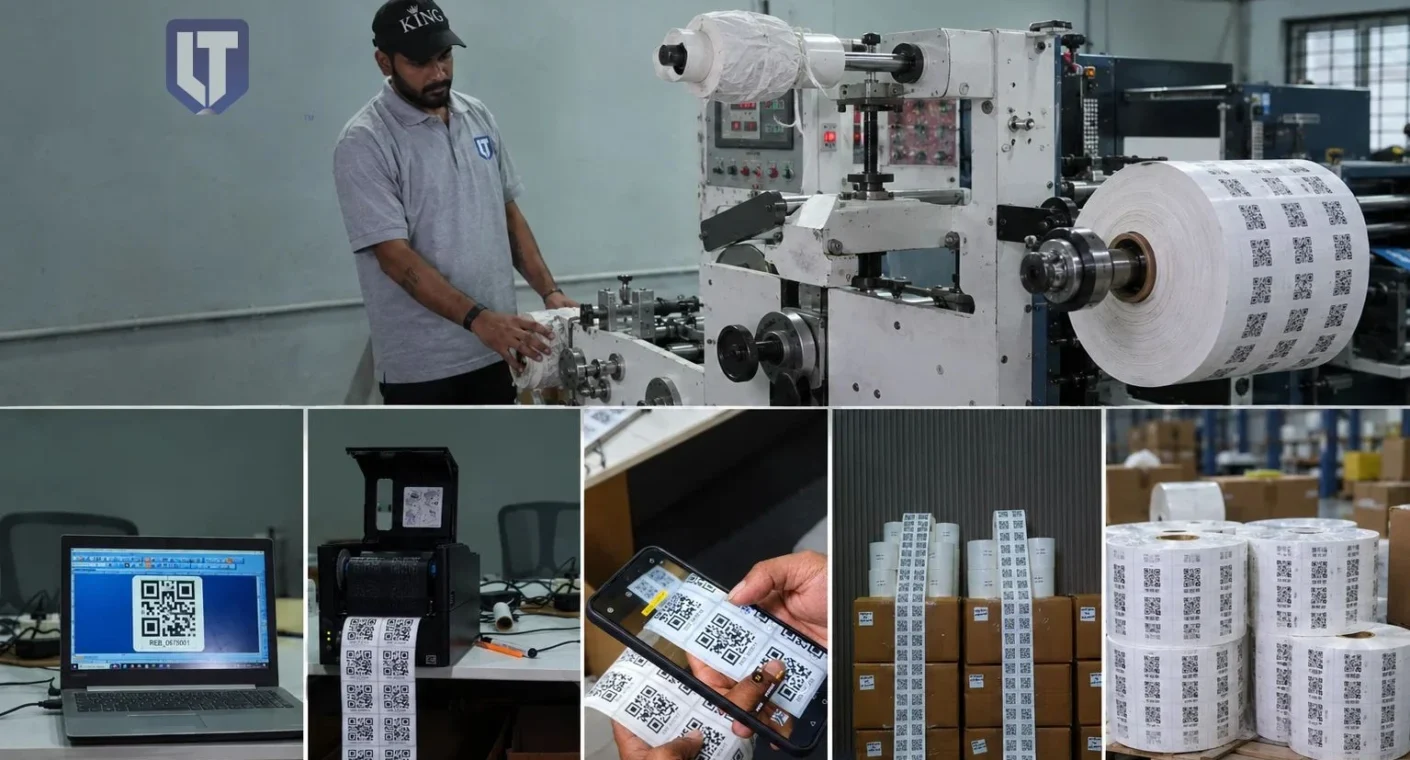
A professional printer loads the blank die-cut roll into the machine. The production team follows a predefined production chart.
The chart assigns QR code series to specific workstations and batches. This gives the team a clear sequence to follow during production.
Sequential printing reduces the chance of missing codes or producing labels in the wrong order. It also helps the team track the printed series during inspection and dispatch.
This controlled approach is useful when a project requires a large number of unique labels.
Printing Sequential QR Codes Accurately
The printer produces the QR codes on the prepared labels. The production team monitors the printing process throughout the run.
The objective is not only to print the required quantity. Every code must also remain clear and usable.
Sequential QR Code Labels require careful control because each label carries a different code in a defined sequence. One missing or repeated code can create a problem in the final batch.
The team therefore focuses on both production speed and print accuracy.
A high-volume setup can support large daily output. The company operates more than 10 printing centers and 10 printing stations. Each printer can produce up to 100,000 labels per day, depending on the production setup and team output.
Checking QR Codes Before Dispatch
Printing does not complete the quality process.
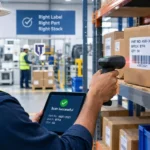
The team randomly samples printed labels from the production batch. These QR codes are scanned to check whether they read correctly.
This check helps identify printing issues before the labels leave the facility. The team also checks the overall label quality and print appearance.
The labels are produced using high-quality thermal transfer ribbons. This supports clean and readable QR code printing.
The same attention to material and print quality is important across different label applications. A reliable label manufacturer in India needs to control both the material and printing process. Treating printing as a standalone step can affect the quality of the final labels.
Keeping Every Batch Traceable
Sequential production also makes batch tracking easier.
The production chart connects the QR code series with the assigned workstation and batch. This gives the team a clear record of what is produced and where it is produced.
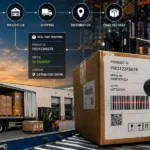
The printed QR code series is also marked during dispatch. This helps the team identify the contents of each packed batch.
For large-volume projects, this level of control helps reduce confusion between rolls and supports accurate order handling.
Packing the Finished Labels
Once the labels pass the required checks, the finished rolls move to packing.
The rolls are packed in shrink sleeves and then placed in boxes. The boxes are marked with the relevant QR code series.
This protects the rolls during handling and keeps different batches organized.
The final inspection also gives the team an opportunity to confirm that the correct quantity and required rolls are ready for dispatch.
Why Quality Control Matters in Sequential Labels
A sequential label project involves more than printing different QR codes.
It requires control at every stage.
The right material supports the label. Accurate die-cutting creates consistent dimensions. Material testing confirms the blank roll meets the required specifications. Controlled printing maintains the QR code sequence. Random scanning checks readability. Final packing keeps the completed batches organized.
This complete process gives Sequential QR Code Labels the consistency needed for high-volume applications.
It also shows why buyers should look beyond printing capacity when choosing a label supplier. A capable manufacturer needs strong material control, production systems, QC checks, and dispatch processes.
Choosing the Right Manufacturing Partner
A reliable label partner should be able to handle the complete process from raw material selection to final dispatch.
The focus should remain on consistent quality, accurate printing, controlled production, and dependable delivery. These factors become even more important when the order contains a large number of unique QR codes.
Whether the requirement involves Sequential QR Code Labels, specialty labels, or other roll-based printed products, the manufacturing process directly affects the final result.
Get Reliable Sequential QR Code Labels
Need large-volume Sequential QR Code Labels with controlled printing, material testing, and quality inspection?
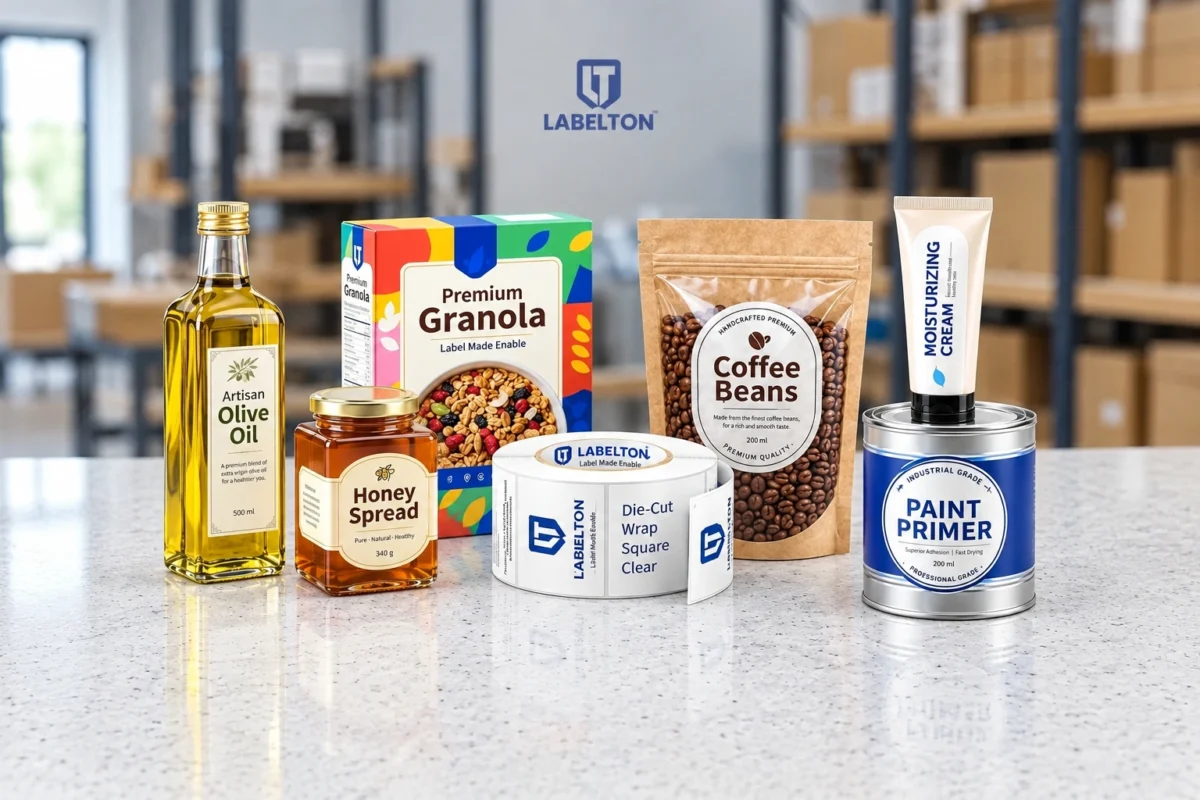
The Labelton provides a complete label manufacturing process focused on material quality, accurate die-cutting, sequential QR code printing, QC checks, and organized dispatch.
Talk to the team about your label size, material, QR code sequence, quantity, and application requirements. Get the right label solution for your project with quality control built into every stage.