



Adhesive labels play a vital role in global transportation. They carry product details, tracking information, barcodes, handling instructions, and branding elements. In industries such as diamond jewelry, labels must remain clear and secure throughout the supply chain.
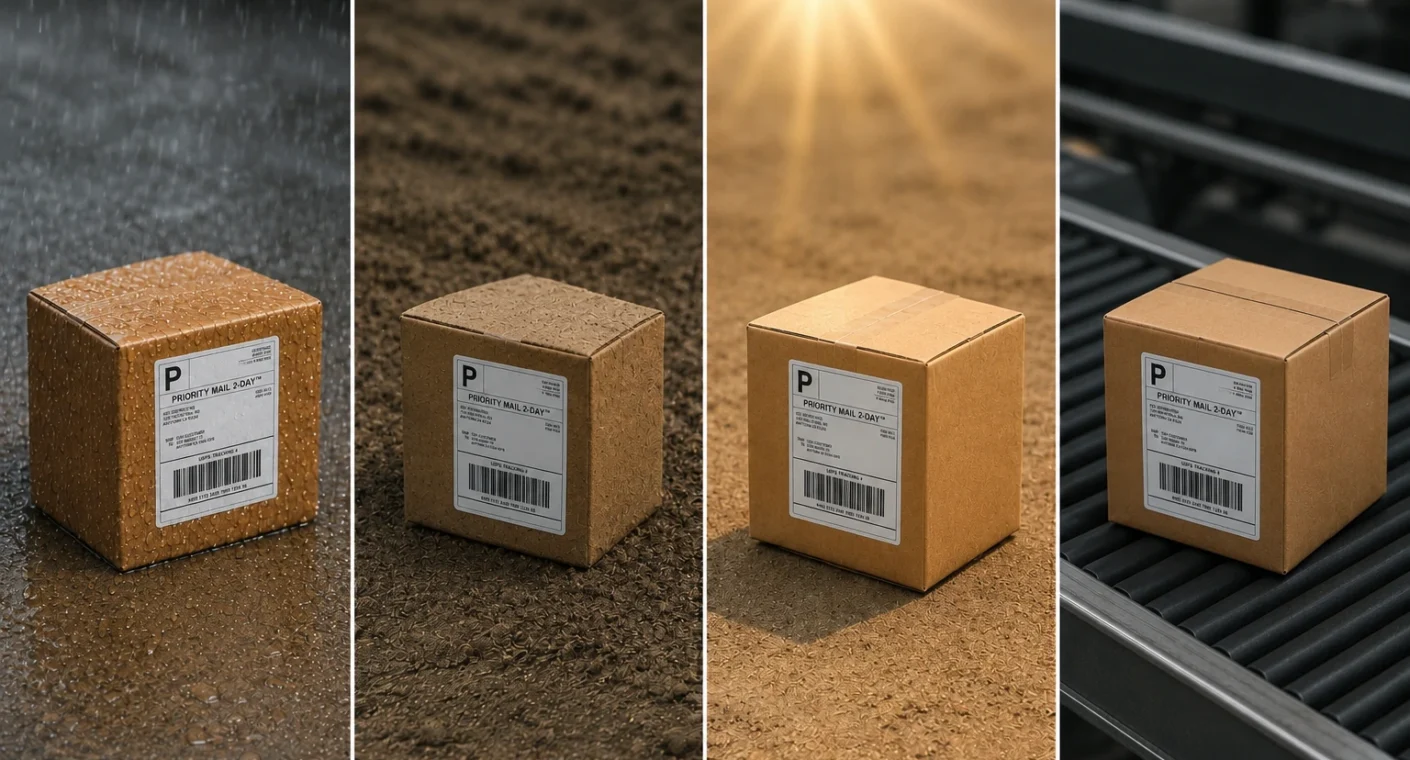
Shipments often move through multiple climates before reaching their destination. A package may leave a humid port, travel through a hot desert region, and arrive in a cold warehouse. Each environment affects label performance differently.
Understanding the Weather condition affect Adhesive Labels helps businesses choose materials that maintain readability, adhesion, and durability during transportation.
Why Weather Conditions Matter
Labels face constant environmental stress during shipping. Temperature changes, moisture exposure, sunlight, and handling conditions can weaken adhesives or damage printed information.
For diamond jewelry packaging, label failure can create serious operational issues. A missing barcode or illegible product identifier may delay inventory checks, tracking, and delivery. In many cases, poor label performance can contribute to logistics disruptions and barcode scanning issues in global shipping.
The Weather condition affect Adhesive Labels becomes especially important when products travel across international routes where climates vary significantly.
The Impact of Heat on Adhesive Labels
High temperatures soften many adhesives. Labels may begin to lift at the edges or shift on the package surface. Heat can also affect print quality, causing smudging or fading. Selecting suitable materials becomes essential in such situations, especially when evaluating factors involved in buying customised industrial labels that must perform reliably across different environmental conditions.
Transportation containers parked under direct sunlight can reach very high temperatures. This environment places extra stress on labels attached to boxes, pouches, or jewelry packaging.
To manage this Weather condition affect Adhesive Labels, manufacturers often use heat-resistant adhesives and durable facestock materials. These materials help maintain adhesion, print clarity, and overall label performance throughout the transportation journey.
The Effects of Cold Weather
Cold temperatures create a different challenge. Some adhesives become brittle and lose flexibility. Labels may not bond properly when applied in freezing conditions.
During winter transportation, packages may move through refrigerated facilities, cold storage areas, or regions with subzero temperatures. If the label material is not designed for these conditions, it may crack or detach.
A reliable Weather condition affect Adhesive Labels strategy includes selecting adhesives that perform well in low-temperature environments.
Humidity and Moisture Exposure
Humidity is one of the most common causes of label failure. Moisture can weaken the adhesive layer and reduce its ability to stick to the package surface. Excessive humidity may also affect paper-based labels, causing them to wrinkle or peel.
Diamond jewelry shipments often pass through coastal regions where humidity levels remain high. In these situations, moisture-resistant label materials provide better protection.The Weather condition affect Adhesive Labels should always account for humidity exposure during transit.
Rain and Water Contact
Packages may encounter rain during loading, unloading, or local delivery. Water can damage labels that lack protective coatings.
When labels become wet, printed information may blur, and adhesives may lose strength. This creates challenges for scanning and identification.
Choosing waterproof or laminated labels helps reduce the risks associated with this Weather condition affect Adhesive Labels. Businesses that ship internationally should also understand how labeling issues can contribute to parcel rejections in international shipping, especially when critical shipment information becomes unreadable.
Sunlight and UV Exposure
Long periods of sunlight exposure can fade printed text and graphics. UV radiation gradually breaks down certain label materials and adhesives.
Shipments stored outdoors or transported in open areas are especially vulnerable. Faded labels may become difficult to read, which can affect inventory management and tracking.
According to the International Safe Transit Association (ISTA), packaging materials should be evaluated for the environmental conditions they encounter during transportation and storage. UV-resistant materials help maintain label clarity and durability in challenging weather conditions affect Adhesive Labels.
Rapid Temperature Changes
One of the most demanding transportation challenges is rapid temperature fluctuation. A package may move from a cold aircraft cargo hold to a warm distribution center within a short period.
These sudden changes cause expansion and contraction of both the label and the packaging surface. Over time, this stress can weaken adhesion.
Testing labels under varied Weather conditions affect Adhesive Labels helps ensure consistent performance throughout the shipping journey.
Choosing the Right Label Materials
Selecting suitable label materials is essential for global transportation. The best choice depends on the expected environmental conditions, packaging surface, and transportation route.
Common options include:
- Paper labels for standard indoor conditions
- Polyester labels for high durability and moisture resistance
- Polypropylene labels for flexibility and water resistance
- Laminated labels for added protection against abrasion and weather exposure
Businesses should evaluate the Weather condition affect Adhesive Labels before selecting a label solution. Different sectors have unique requirements, which is why label specifications often vary across multiple industries served by industrial label manufacturers.
Best Practices for Protecting Labels During Transportation
Use Labels Designed for the Shipping Environment
Select materials and adhesives that match the expected temperature and humidity range.
Apply Labels to Clean Surfaces
Dust, oil, and moisture reduce adhesive performance and shorten label lifespan.
Allow Proper Curing Time
Adhesives often require time to achieve maximum bond strength after application.
Protect Labels from Unnecessary Exposure
Use secondary packaging when shipments face extreme weather conditions.
Test Labels Before Large Shipments
Simulating real transportation conditions helps identify potential issues before products enter the supply chain. This approach becomes especially important when managing high-volume shipments and bulk packaging requirements.
Why This Matters for Diamond Jewelry Shipments
Diamond jewelry products often travel across countries and continents. Accurate labeling is essential for product identification, inventory control, authentication, and customer confidence.
Because jewelry packaging is typically compact and high in value, even a small label failure can create operational complications. Durable labels help maintain traceability and professionalism throughout the supply chain.
A strong understanding of the Weather condition affect Adhesive Labels allows businesses to reduce risks and improve shipping reliability.
Building a Weather-Resilient Labeling Strategy
Global transportation continues to expose products to a wide range of environmental conditions. Labels that perform well in controlled environments may not always withstand heat, humidity, rain, cold, or UV exposure during long-distance shipping.
For businesses handling valuable products such as diamond jewelry, investing time in understanding the Weather condition affect Adhesive Labels can improve supply chain efficiency, reduce identification errors, and support seamless product movement across international markets.
Organizations that regularly ship across regions should periodically review their label specifications, test materials under real-world conditions, and work with experienced manufacturing partners that understand transportation challenges at scale.
Businesses looking to explore customized industrial labeling solutions or discuss application-specific requirements can learn more through The Labelton’s resources on bulk label manufacturing or get in touch through the contact page for further guidance.